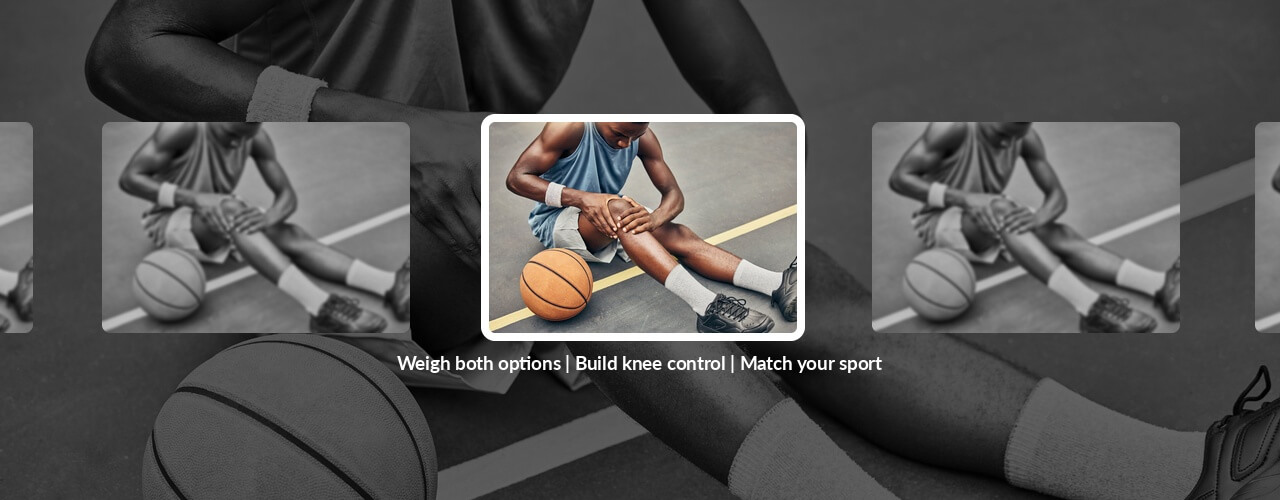
An ACL tear can leave active adults with one big question. Do I need surgery to get back to the activities I enjoy? For some people, ACL tear recovery without surgery may provide a path back to a strong and active lifestyle.
The best choice depends on more than the tear itself. Knee stability, sport demands, personal goals, and other injuries can all affect the decision.
Understanding Physical Therapy as Primary Treatment
Physical therapy focuses on helping the knee work well even when the ACL is torn. ACL tear recovery without surgery requires active participation and careful testing along the way.
Treatment may focus on:
- Building strength around the knee and hip.
- Improving balance and body control.
- Training the muscles to react during quick movements.
- Restoring confidence with daily and athletic tasks.
- Gradually preparing the body for sport demands.
Some active adults can regain enough stability to return to demanding activities. Others may continue to feel the knee shift or give way.
An ACL tear diagnosis does not automatically mean a surgical one. [site-name] helps you understand all your options before you decide. Book your evaluation today.
Understanding Surgical Reconstruction Followed by Rehabilitation
ACL reconstruction uses a tissue graft to replace the torn ligament. Surgery may be considered when the knee remains unstable or when a person’s sport places high demands on the ACL.
Surgery is only one part of this pathway. Rehabilitation remains essential afterward.
Physical therapy helps restore movement, strength, coordination, and control. Later care prepares the knee for running, jumping, cutting, and other sport tasks when appropriate.
Surgery does not guarantee a return to the same level of sport. Progress still depends on healing, rehabilitation, knee function, and readiness for athletic demands.
What the Research and Clinical Picture Say: Choosing ACL Tear Recovery Without Surgery
Research supports a more individual approach to ACL care. Some people function well with rehabilitation alone. Others benefit from reconstruction followed by rehabilitation.
What Factors Shape the Choice?
Knee Stability
- Frequent giving way may make certain activities unsafe or difficult.
Sport Demands
- Sports with cutting, pivoting, or sudden direction changes place greater demands on the ACL.
Other Knee Injuries
- Damage to other structures may affect treatment choices.
Personal Goals
- Recreational exercise and competitive sport may place very different demands on the knee.
For the right person, ACL tear recovery without surgery can be a reasonable option. The key question is whether the knee can meet the demands that matter to that person.
Correcting Common Misconceptions
One common myth is that every ACL tear requires surgery. Treatment decisions are more individual than that.
Another myth is that avoiding surgery means simply waiting for the knee to improve. Conservative care involves structured rehabilitation and ongoing assessment.
Surgery also does not remove the need for hard work. Both options require rehabilitation to rebuild strength, control, and athletic ability.
How a Professional Assessment Solves the Dilemma
At [site-name], the evaluation looks beyond the diagnosis. Your physical therapist considers how your knee performs and what you want it to do.
The assessment may examine:
- How well the knee stays controlled during movement.
- Whether the knee gives way during daily or athletic tasks.
- How strength and balance compare during functional activities.
- Whether movement control matches the demands of your sport.
These findings help determine whether ACL tear recovery without surgery may fit your goals or whether a surgical consultation should be considered.
Blending Care Options for Your Unique Needs
The two pathways are not completely separate. Physical therapy can play an important role before and after a surgical decision.
If conservative care fits your needs, [site-name] can build a program around strength, control, confidence, and sport readiness. If surgery becomes the preferred option, rehabilitation can help prepare the knee beforehand and support recovery afterward.
The goal is to match treatment to your knee and your life.
Navigating Your Next Steps Wisely
Progress should be measured by function, not just by how the knee feels at rest. Continued instability can be an important sign that the current plan needs another look.
Prompt specialist consultation may be appropriate when:
- The knee repeatedly gives way.
- Swelling or loss of function continues to interfere with activity.
- Other knee injuries are suspected.
- The knee cannot safely meet the demands of your chosen sport.
- Progress stalls despite consistent rehabilitation.
The right path for your ACL depends on your knee, your sport, and your goals. [site-name] helps you evaluate all three. Reach out to arrange your assessment.
Tags: knee stability, ligament injury, sport readiness, surgery decisions
 Print Patient Forms
 Our Location
 FAQ
 Conditions Library